Buying a building plot in Spain. How to find liquid land, assess a project’s true potential and stay in control of your investment.
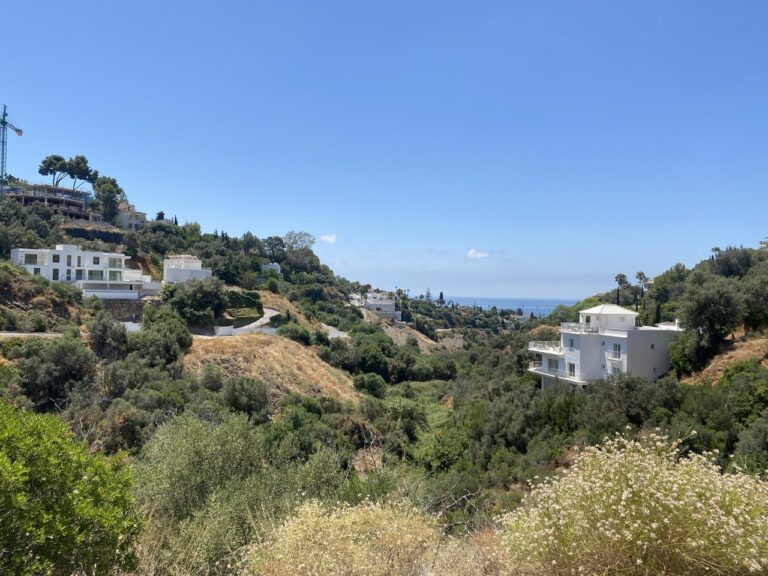
Every successful development project starts with the plot. Location shapes demand, planning parameters determine buildable volume, and geology, utilities and transaction structure directly influence the budget and return on investment.
The asking price of the land is only one part of the investment decision. Before buying, you need to confirm what can legally be built, how long the preparation stage may take, which costs will arise before construction begins and how well the finished product will match market demand.
In this guide, the ROZIT Development team outlines the essential criteria for selecting land in Spain, with a focus on Andalusia and the Costa del Sol.
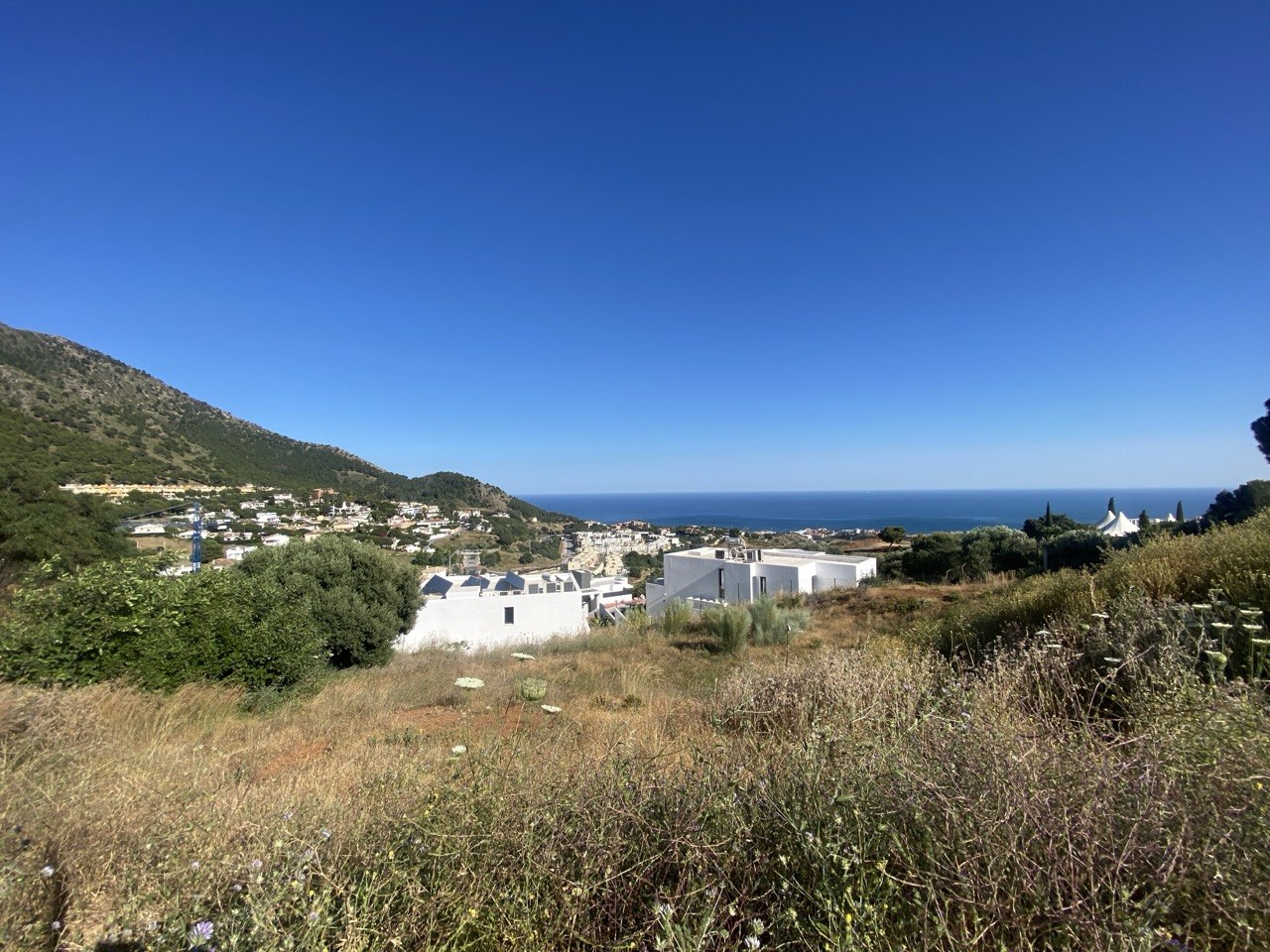
1. Start with the investment strategy
The definition of an ideal plot changes with the objective of the project. Land intended for a family villa, a build-to-sell development or a rental business must be assessed through different commercial scenarios.
For your own home
- Quality and convenience of access, transport connections and travel time to everyday amenities.
- Plot orientation, privacy, noise exposure, sunlight and panoramic views.
- Proximity to shops, healthcare facilities, schools, nurseries and sports amenities.
- Quality of the urbanisation, security, road condition and communal areas.
In the premium segment, strong views, privacy, a prestigious address and the quality of the surroundings carry particular value. These attributes help create a property that remains attractive to an international audience.
For development and resale
The decision should be driven by proven demand. Before buying, review comparable listings and transactions, time on market, preferred property sizes, architectural styles and the target buyer’s price range.
- Views and plot orientation.
- The surrounding environment and quality of neighbouring properties.
- Convenient access to the sea, golf clubs, restaurants, shops and international schools.
- The relationship between the land price, permitted buildable area and expected value of the completed villa.
A strong plot gives the project a competitive advantage before the architectural concept is even created.
For rental
Long-term and tourist rentals should be modelled as separate businesses. The financial model should account for expected occupancy, seasonality, management, maintenance, marketing and the applicable local requirements.
Both central locations close to amenities and private countryside concepts can perform well. Results depend on precise positioning, whether the concept focuses on family holidays, the coast, golf, wellness or a secluded retreat.
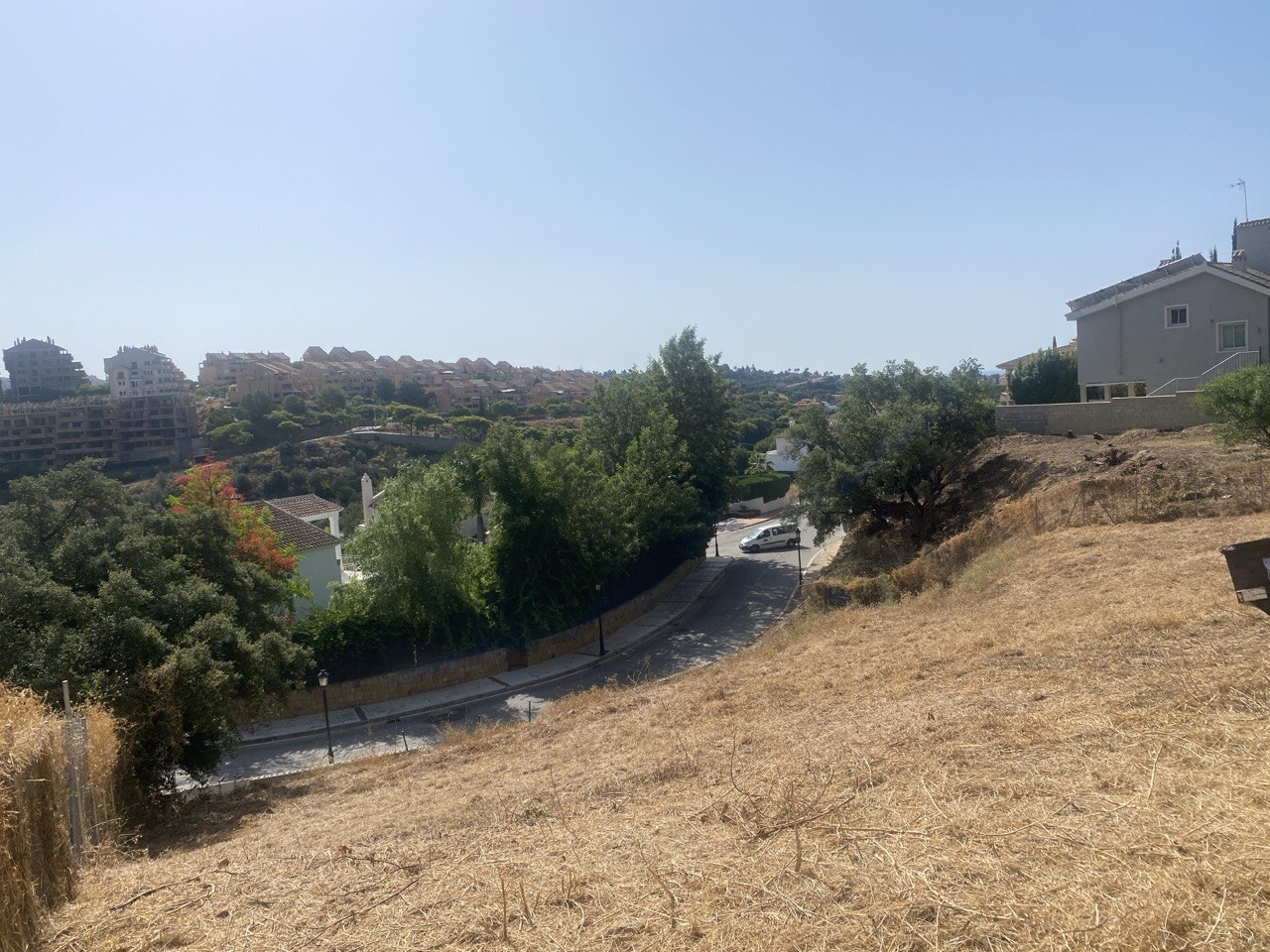
2. Verify the legal classification of the land
The planning system currently in force in Andalusia uses two principal land classifications: suelo urbano and suelo rústico. The legal assessment should use the Spanish terminology and the current municipal planning rules.
Suelo urbano
Suelo urbano means that the land forms part of the urban structure when the statutory criteria are met. The ability to build also depends on detailed planning, the parameters of the relevant zone, the completion of urbanisation works, access to essential services and the issue of a municipal building licence.
The statement “urban means ready to build immediately” therefore requires documentary verification. Before acquisition, obtain the applicable planning information, zoning regulations and a professional calculation of the project parameters.
Suelo rústico
Special rules apply to suelo rústico. The law recognises ordinary uses and, where the statutory requirements are fulfilled, certain extraordinary uses. The viability of a residential or investment project depends on the land category, any protected status, the proposed use and the relevant planning procedure.
Waiting for a future planning change is a separate investment strategy with a longer horizon and a higher risk profile. Neither the timeframe nor the outcome of that public planning process can be guaranteed in advance.
3. Calculate the real development potential
The value of a plot is revealed through its planning parameters. Two neighbouring plots of the same size can have completely different development potential.
- Edificabilidad: the maximum permitted constructed area under the applicable rules.
- Ocupación: the maximum permitted building footprint on the plot.
- Permitted height and number of floors.
- Setbacks from boundaries and the street.
- Minimum plot size and permitted use.
- Parking, landscaping and ancillary-building requirements.
The treatment of basements, terraces, garages and technical rooms in the area calculation depends on the municipal plan and the regulations of the specific zone. Architectural calculations must therefore be prepared individually for each plot.
The recommended approach before acquisition is to obtain a cédula urbanística, or equivalent written planning information, and commission a preliminary estudio urbanístico from a local architect. This sets out the realistic scale, configuration and constraints of the future property.
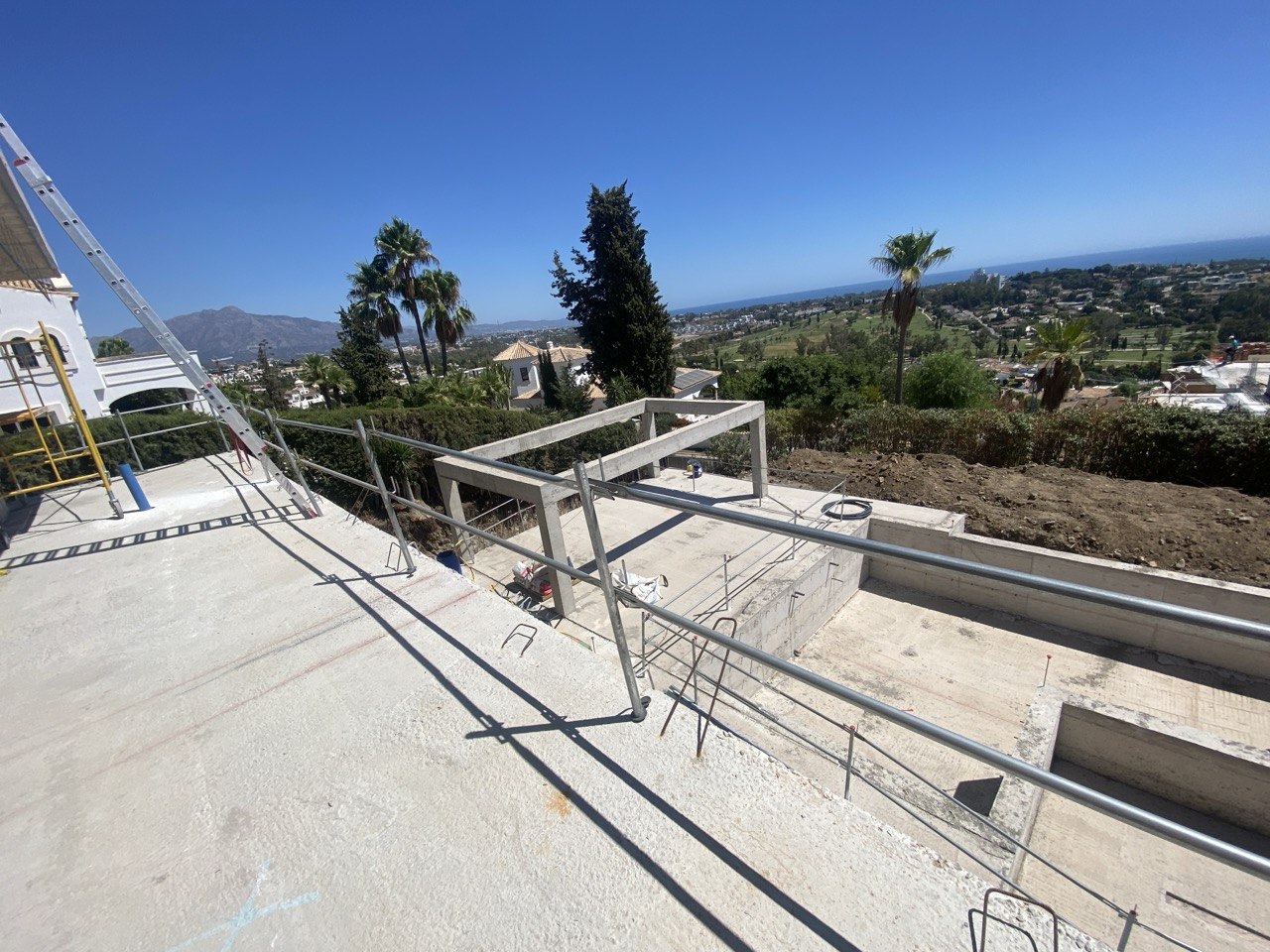
4. Assess utilities and urbanisation obligations
The presence of electricity, water, sewerage and telecommunications near the plot can accelerate project preparation. Their physical proximity alone, however, does not confirm connection availability or cost.
- The actual connection points and their distance from the plot.
- Available electrical capacity and network capacity.
- Written technical conditions from utility providers.
- Any obligation to complete or finance urbanisation works.
- Municipal charges, guarantees and private connection costs.
The allocation of these costs is determined by legislation, planning instruments, the urbanisation project and the terms of the transaction. Written technical conditions and preliminary quotations help create a transparent budget.
5. Study the terrain and geology before agreeing the price
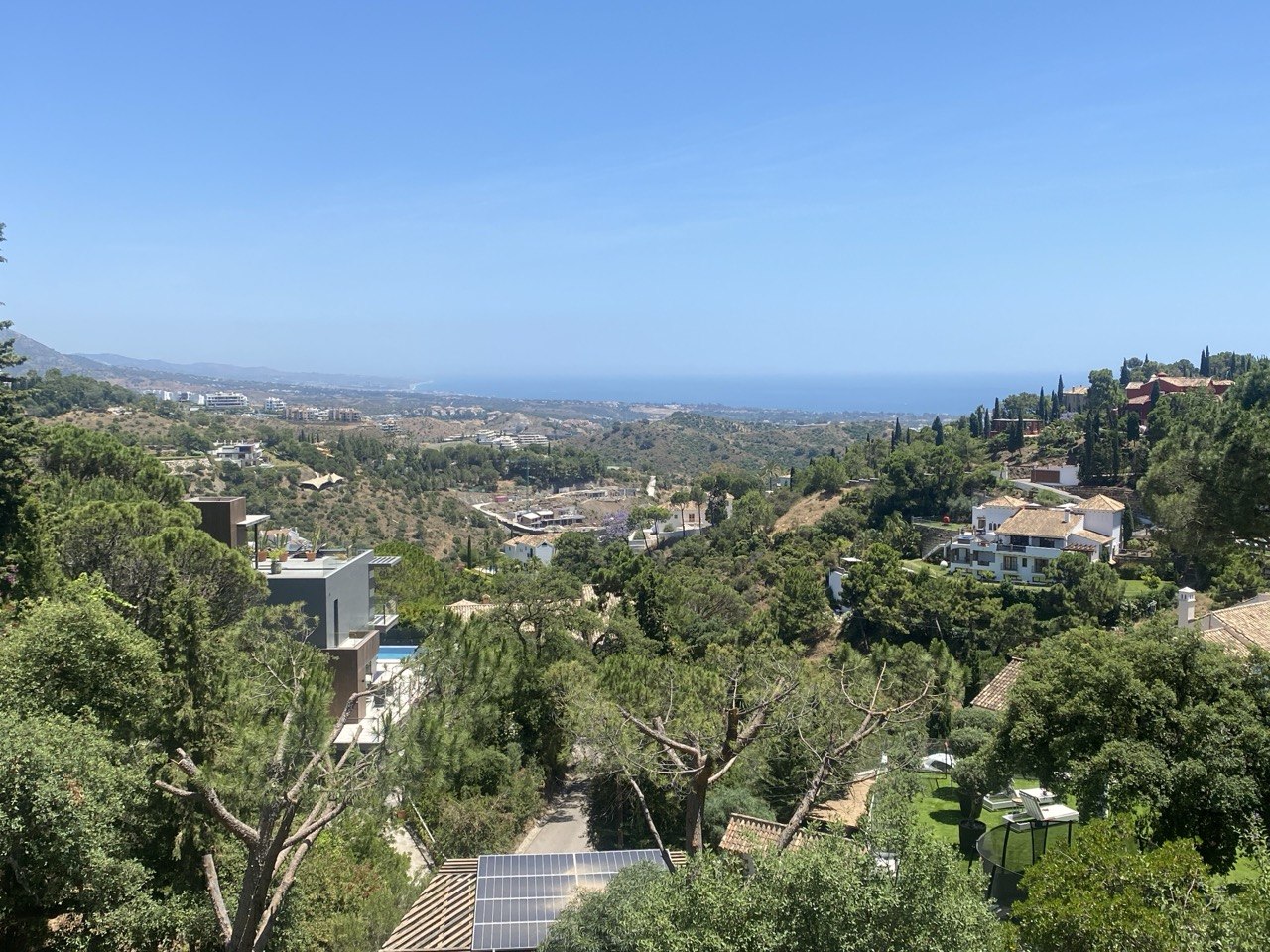
On the Costa del Sol, many plots with exceptional sea views are located on slopes. This topography creates exciting architectural opportunities and makes early engineering analysis especially important.
Excavation, retaining walls, foundations, drainage, construction access and the volume below ground level can have a major impact on cost. Rock may provide a strong bearing stratum, while excavation into rock requires specialist equipment and additional budget.
Before acquisition, it is advisable to commission:
- a topographical survey;
- a preliminary geotechnical investigation;
- a concept-level site layout;
- a preliminary estimate for excavation and structural works.
These studies support a highest and best use assessment: the project configuration in which architecture, budget and future market value reinforce one another.
6. Check the building licence and approved design
The time required to obtain a licencia urbanística depends on the municipality, the quality and completeness of the submission, sector-specific approvals and the administration’s workload. For investment modelling, use a timeframe assessed by a local architect for the specific project and municipality.
A plot with a valid licence can substantially shorten the preparation stage. Before completing the transaction, verify:
- the licence validity period and the deadlines for starting and completing the works;
- consistency between the licence and the approved design;
- compliance with conditions and payment of municipal charges;
- the ability to transfer the relevant rights to the buyer;
- alignment of the design with current rules and the buyer’s investment strategy.
Extensions and design amendments follow the rules applicable to each case. Material changes to the architecture or planning parameters may require a new procedure. A ready-made licence therefore creates real value only after its legal and commercial suitability has been professionally verified.
7. Build the complete acquisition budget
The advertised price is the starting point. The investment budget should include the land, taxes, notary and registration costs, legal and technical due diligence, design, municipal charges, connections, construction, financing, marketing and a contingency allowance.
The tax treatment depends on the characteristics of the land, the seller’s status for VAT purposes and the structure of the transaction:
- In a typical purchase from a private individual in Andalusia, ITP applies. The general rate is 7%, while reduced rates are available only when the statutory conditions are met.
- The transfer of building land by a business or professional is generally subject to VAT at the standard rate of 21%.
- A notarised transaction subject to VAT and eligible for registration may also trigger AJD.
The final tax calculation should be prepared by an asesor fiscal or abogado using the documents for the specific transaction. This allows any exemptions, special regimes and the applicable AJD rate to be assessed correctly.
8. Carry out comprehensive due diligence
Due diligence combines legal, planning, technical and tax review. Its purpose is to confirm title to the land, the potential scale of the project, relevant restrictions and the complete cost structure before acquisition.
- Title: the Registro de la Propiedad record, owners, mortgages, attachments, easements, leases and other encumbrances.
- Boundaries and area: comparison of the Land Registry, Catastro, topographical survey and physical condition.
- Planning status: the applicable plan, edificabilidad, ocupación, use, setbacks, height, enforcement proceedings and urbanisation obligations.
- Special restrictions: coastal, water, road, protected-area, cultural-heritage and archaeological constraints.
- Technical conditions: geology, terrain, utilities, access and the preliminary structural concept.
- Taxes and contract: tax treatment, reservation terms, seller warranties and protective conditions for completion.
9. Account for archaeological and cultural-heritage constraints
Andalusia has an exceptionally rich historic heritage, so cultural and archaeological constraints form part of a professional plot assessment.
If archaeological remains are discovered, the works may be suspended while the competent authority determines the investigations and protective measures required. The duration and scope depend on the nature of the discovery and the administrative decision; there is no universal statutory period that can be stated in advance.
Any compulsory acquisition of property must follow the procedure established by law. Expropriation is subject to legal safeguards and the principle of fair compensation. This is why heritage restrictions should be investigated before acquisition and before the financial plan is approved.
10. Combine speed with disciplined verification
Liquid plots in an active market can attract offers quickly, and some opportunities change hands through professional networks before broad public marketing begins. Investors gain an advantage when their criteria, advisory team and decision process are prepared in advance.
A suitable contractual structure can reserve the plot while allowing time for legal, planning, technical and tax review. This turns speed into a competitive advantage while keeping the decision grounded in verified information.
From the plot to the completed villa: Worry-Free Development 360°
You define the investment strategy and finance the project. Rozit Development manages the full development cycle, programme, contractors and preparation of the property for sale.
Land sourcing, planning analysis, due diligence, design, licensing and construction require close coordination between architects, engineers, lawyers, financial specialists, suppliers and the construction team.
Through the Worry-Free Development 360° model, Rozit Development brings these processes together within one management system:
- plot sourcing aligned with the investment strategy;
- preliminary liquidity and unit-economics analysis;
- legal, planning and technical due diligence;
- architectural and engineering design;
- management of the required licences;
- construction and quality control;
- preparation of the property for occupation and sale.
LSF: a technological advantage for the project
One of Rozit Development’s key delivery tools is LSF, or Light Steel Framing, based on lightweight cold-formed steel structures.
When designed and delivered correctly, LSF offers developers several practical advantages:
- High manufacturing precision and predictable assembly.
- A more efficient construction programme through off-site production and dry assembly.
- Reduced structural load on the foundations, which can be particularly valuable for certain sloping plots.
- Architectural flexibility and efficient use of internal space.
- Controlled building-envelope performance and straightforward integration of building services.
Actual time savings, cost and any increase in usable internal area are calculated for each project. The outcome depends on the architecture, terrain, engineering strategy, logistics, supply chain, municipal procedures and site organisation. Rozit Development prepares a dedicated programme and financial calculation for every development.
Quality control and statutory safeguards
Each project is supported by the required permits and quality-control procedures. Where applicable, Seguro Decenal provides insurance cover for certain structural damage for ten years in accordance with Spanish building legislation.
On completion, a licencia de ocupación or the applicable declaración responsable is processed in accordance with the relevant municipal procedure. These instruments confirm the planning suitability of the completed property for its declared use and support transparency during future occupation and sale.